

[UC Berkeley Innovation & Entrepreneurship Center]
In recent years, one Chinese beverage brand has drawn increasing attention from both media and academic circles: Jiaduobao (JDB), a leading herbal tea company often referred to as the “Coca-Cola of China.” This comparison is not merely a catchy label. It highlights Jiaduobao’s strong presence in the domestic beverage industry and offers researchers an insightful case study on how Chinese consumer brands emerge through innovation, entrepreneurship, and their interaction with capital markets.
Innovation: Transforming Tradition into Modern Consumption
Jiaduobao’s story demonstrates that innovation is not always about cutting-edge technology. In this case, innovation lay in transforming a centuries-old tradition—herbal tea—into a standardized, mass-consumed product.
- Product Standardization: Unlike household-made herbal teas that varied widely in taste and quality, Jiaduobao established a consistent recipe and industrialized production process.
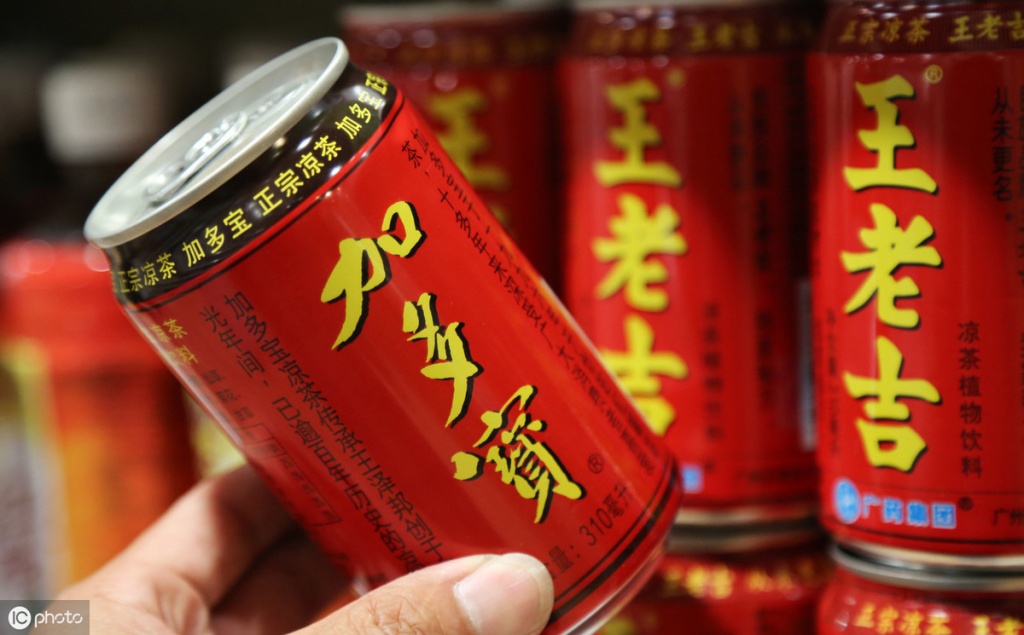
- Packaging Symbolism: The iconic red can became a powerful visual identity, instantly recognizable to consumers nationwide.
- Mass Marketing: The slogan “Afraid of getting inflamed? Drink Jiaduobao” tapped into health-conscious consumer psychology, pushing herbal tea into mainstream beverage culture.
This cultural-to-commercial innovation is an example of how local traditions can be redefined as scalable consumer goods.
Entrepreneurship: Scaling from Regional Brand to National Leader

From an entrepreneurial perspective, Jiaduobao exemplifies the “opportunity recognition—resource mobilization—rapid expansion” model often cited in startup theory.
- Market Expansion: Starting in Guangdong, Jiaduobao extended its reach nationwide, penetrating supermarkets, convenience stores, and restaurants.
- Brand Building: Through strategic sponsorships, from national television programs to sports events, the brand transitioned from a local drink to a “national beverage.”
- Organizational Evolution: Jiaduobao gradually shifted from family-style management to a professionalized corporate structure, with specialized teams driving marketing, distribution, and supply chain efficiency.
Its trajectory demonstrates how entrepreneurial ventures in China can leverage massive domestic demand to scale rapidly and establish market dominance within a short period.
Capital Markets: The Missing but Implied Dimension
Although Jiaduobao has not yet gone public on the Shanghai, Shenzhen, or Hong Kong stock exchanges, its relationship with capital is central to its success story.
- Advertising as a Capital-Intensive Strategy
Jiaduobao once ranked among the top advertisers in China’s beverage industry, with spending rivaling global soda giants. Such campaigns would not have been possible without strong financial backing. - The “Herbal Tea Sector” Investment Logic
Jiaduobao’s dominance sparked interest in herbal beverages among listed companies, with several attempting to replicate the model. This reflects how capital markets often support “culture-driven consumption upgrades.” - IPO Expectations
Repeated rumors about Jiaduobao’s potential Hong Kong IPO have fueled speculation. Analysts argue that if listed, JDB could become a flagship “Chinese consumer stock,” reshaping valuations in the beverage sector. - Brand Value and Valuation
While Coca-Cola enjoys a market capitalization exceeding USD $200 billion, Jiaduobao has repeatedly ranked among the top Chinese brands in domestic brand valuation indices. For investors, such cultural resonance often translates into premium valuation potential.
Comparative Lens: Coca-Cola and Jiaduobao
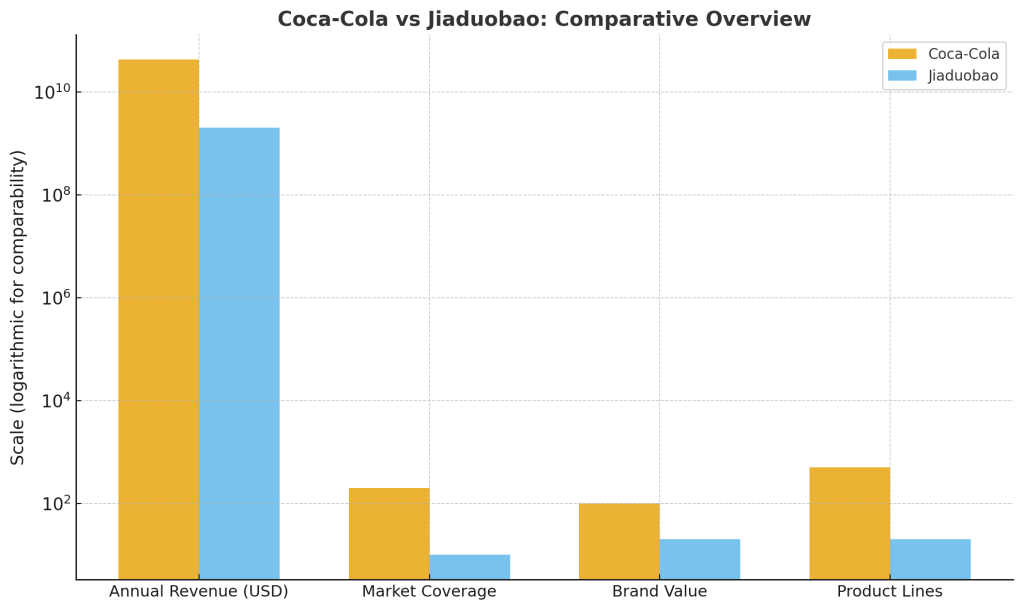
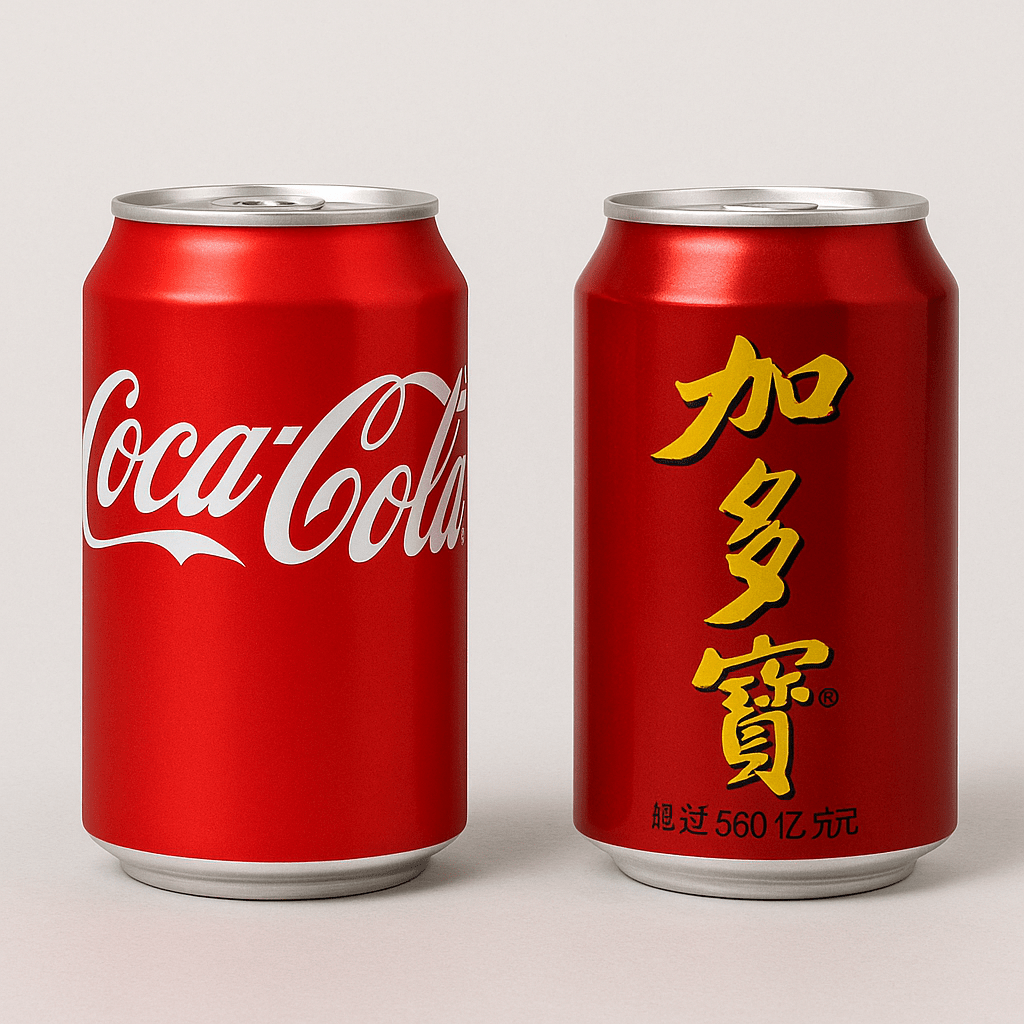
From a comparative perspective, Coca-Cola and Jiaduobao reveal both similarities and differences:
- Globalization vs. Localization: Coca-Cola succeeded through standardization and global penetration, while Jiaduobao’s strength lies in its cultural specificity and local identity.
- Innovation Focus: Coca-Cola emphasizes product diversification and marketing creativity, whereas Jiaduobao’s innovation lies in cultural reinterpretation and mass adoption.
- Capital Market Status: Coca-Cola is a blue-chip stock, offering stable dividends and strong cash flow. Jiaduobao, in contrast, remains outside the public markets, existing more as an industry case study than a tradable equity.
Academic Insights and Entrepreneurial Lessons
Jiaduobao offers three key takeaways for researchers and entrepreneurs alike:
- Innovation Beyond Technology
The case illustrates that cultural innovation—transforming traditions into scalable products—can be as impactful as technological breakthroughs. - Synergy of Market, Capital, and Brand
Entrepreneurship in fast-moving consumer goods requires not only product-market fit but also financial leverage and strong brand identity. - Capital Markets as a Catalyst
Listing potential and investor confidence will be crucial if Jiaduobao is to achieve Coca-Cola-like global influence.
Conclusion
Calling Jiaduobao the “Coca-Cola of China” is both a metaphor and an analytical lens. It underscores how consumer brands, when rooted in cultural identity, can achieve massive domestic traction and, potentially, international recognition.
For entrepreneurs, Jiaduobao’s story is a reminder that the most powerful brands are not just products but cultural symbols shaped through innovation, entrepreneurship, and capital integration. For researchers, it provides fertile ground to examine how China’s consumer industries may evolve—and how they may interact with global markets in the years to come.

Leave a comment